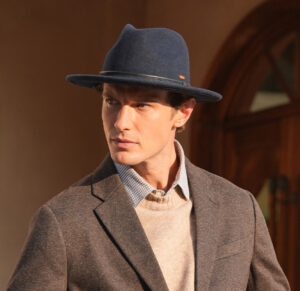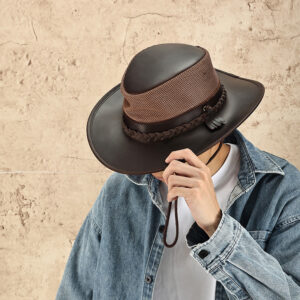
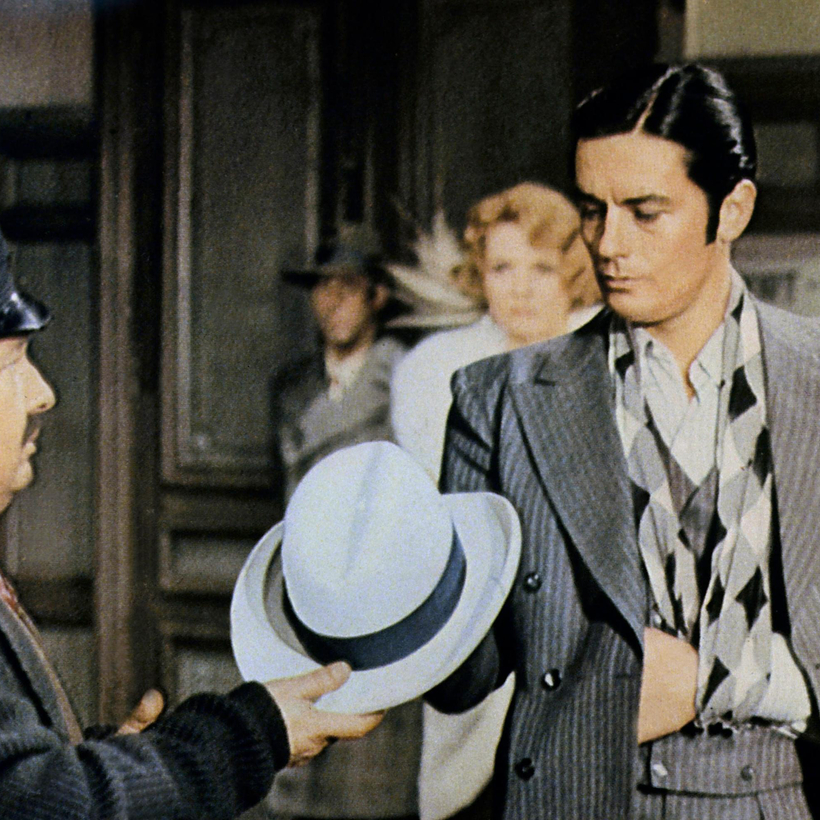
You’ve probably searched and read many articles about the history of the fedora hat. Yet only a few provide enough detail to truly satisfy your curiosity about this iconic design. You may still be wondering: What is a fedora? What does it look like? When was it invented? What is it made of? And when was it most popular?
Even if you’ve never worn one, you’re likely familiar with the term. Often described as one of the most popular hats of the 20th century, the fedora has been worn by both royalty and working-class individuals. In recent years, it has re-emerged as a stylish accessory for men and women alike. Behind its modern appeal lies a long and fascinating history, from its origins in Europe to its global presence today.
It’s remarkable to think that the fedora has been part of fashion for well over a century. The term “fedora” dates back to 1891, long before anyone could have predicted its enduring popularity.
The fedora first appeared in the 1882 stage play Fedora by French playwright Victorien Sardou. The name was derived from the Greek word “theodoros,” meaning “gift of God.”
The play debuted in the United States in 1889. During the performance, the title character, Princess Fedora Romanoff, wore a soft-brimmed hat with a center crease. The role was played by Sarah Bernhardt, and her distinctive hat quickly captured public attention.
Soon, the style became especially popular among women, particularly those involved in the late 19th-century women’s rights movement. Women’s fedoras appeared in a wide variety of textures, colors, and shapes, including bold patterns and even animal prints.
History of Men’s Hats
In 1924, the fashion landscape shifted when Prince Edward of Britain was seen wearing a fedora. The hat was quickly adopted by men and began replacing top hats, bowler hats, and flat caps. Its soft felt construction made it more comfortable, helping it become a best-seller during the decade.
Originally, fedoras were worn in urban areas as protection against bad weather. In the early 20th century, Orthodox Jewish communities also adopted the hat, wearing it during study and prayer.
In early American society, the fedora became a staple of men’s fashion, commonly worn in public. However, it was customary for men to remove their hats as a sign of respect, especially when greeting women. Owning a quality hat was also associated with wealth, as fashion served as a clear status symbol.
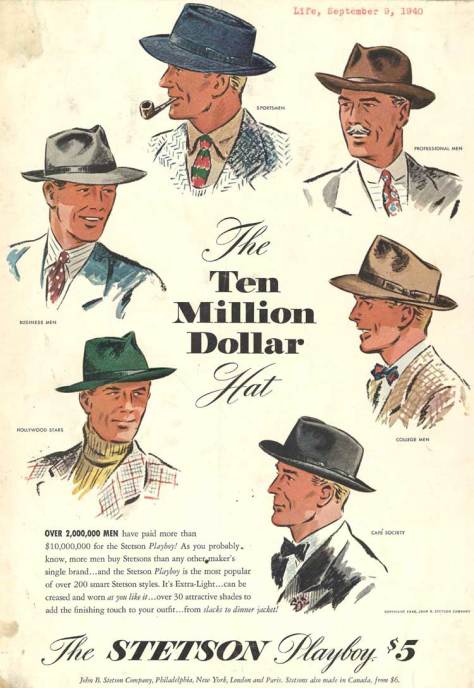
By the 1940s, fedora brims had widened in the United States, while British styles remained slightly narrower. Traditional colors included black, brown, and gray, but during World War II, new shades such as green, blue, and khaki became popular.
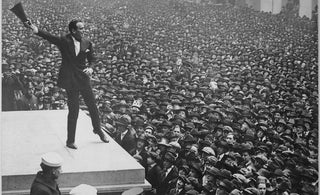
Fedora Hats Through the Ages
The fedora gained widespread recognition in the mid-1920s and became closely associated with gangsters during the Prohibition era. By the 1940s and 1950s, it was a defining feature of film noir, before gradually declining as casual clothing styles took over.
Hollywood played a major role in popularizing the fedora. Actors like Cary Grant and Humphrey Bogart frequently wore them on screen, while musicians such as Frank Sinatra and Elvis Presley brought the style to the stage. The hat became a symbol of masculinity, sophistication, and mystery.
The fedora experienced several waves of popularity throughout the 1970s, 1980s, and early 2000s.
Its appeal comes from both practicality and style. It’s easy to wear during daily commutes, doesn’t obstruct vision while driving, and can often be folded without losing its shape.
However, one of the biggest reasons for its recurring popularity is the influence of media and celebrities. In the 1970s, the Indiana Jones films helped revive the fedora, proving once again the power of cinema and television in shaping fashion trends.
The 21st Century
Although the fedora has gone in and out of style over the decades, it remains one of the most iconic hats in fashion history. Its timeless design ensures it continues to reappear as trends evolve.
In the 21st century, the fedora returned alongside other classic styles such as the homburg and pork pie hat. While it carries a sense of nostalgia, it has also become a bold modern fashion statement.
Many well-known artists, including Bruno Mars, Justin Timberlake, and Michael Jackson, have embraced the fedora. Jackson famously featured it in music videos such as Billie Jean, Dangerous, You Rock My World, and Smooth Criminal.
Other celebrities, including Brad Pitt and Johnny Depp, have also contributed to its popularity. Television series like Mad Men, Boardwalk Empire, and The Crown further reinforced the fedora’s association with refined, masculine style.
These shows often depict sharply dressed characters, offering inspiration for men who want to explore fashion without sacrificing a traditionally masculine image. The fedora, in this sense, becomes a confident expression of personal style.
Athletes such as LeBron James and Cam Newton have also been seen wearing fedoras, particularly during post-game appearances.
Although the fedora was originally popular among women, it is now worn less frequently by them than in the early 20th century. Still, celebrities like Chloë Grace Moretz continue to incorporate it into modern fashion.
Trends may come and go, but classic pieces endure. The fedora’s greatest strength lies in its timeless versatility.
Who Invented the Fedora?
Historical records suggest that the term “fedora” entered common use in the early 1890s. It quickly became popular among upper-class men in England and parts of Europe, eventually surpassing the homburg in popularity.
The name originated from the play Fédora by Victorien Sardou, starring Sarah Bernhardt. Although the fedora later became associated with masculinity, its origins are surprisingly unisex.
In the play, Bernhardt’s character wore a soft-brimmed hat with a distinct crease down the crown. The style became popular among women, particularly those embracing progressive ideals. Bernhardt herself was known for challenging traditional gender norms, which added to the hat’s broad appeal.
Originally designed as a women’s accessory, the fedora’s popularity among women declined at the turn of the century as it gained traction in men’s fashion.
Fedoras in the Early to Mid-20th Century
Over time, the fedora transitioned from a progressive women’s accessory to a staple of men’s fashion. Prince Edward VIII played a key role in this shift during the 1920s, solidifying the hat’s status among stylish men.
As members of the public closely followed royal fashion, demand for fedoras surged across Europe. Hatmakers struggled to keep up with the trend.
The style soon spread to the United States, where it became a defining feature of the modern gentleman’s wardrobe in the early 20th century.
Although the fedora remained popular throughout the 1920s, its prominence declined during the Great Depression, as many men could no longer afford fashionable accessories.
By the mid-1930s, economic recovery brought the fedora back into the spotlight. Men across all social classes began wearing it regularly, further cementing its place in popular culture.
The hat was also widely adopted by Orthodox Jewish communities around the world.
Humphrey Bogart’s Fedora
Actor Humphrey Bogart played a major role in popularizing the fedora. In films like Casablanca and The Big Sleep, his signature high-crowned hat became a symbol of authority and style.
Typically made from fur felt with a wide brim and prominent band, his look influenced many actors and celebrities, including Cary Grant, Jimmy Stewart, Bing Crosby, and members of the Rat Pack such as Dean Martin, Frank Sinatra, and Sammy Davis Jr.
Gangsters and Al Capone’s Fedora
During Prohibition (1920–1933), the rise of organized crime brought a new cultural association to the fedora. Gangsters like Al Capone made the hat a symbol of power and rebellion.
Paired with tailored suits and bold styling, the fedora became an iconic element of the gangster image, representing both wealth and defiance.
Dick Tracy’s Fedora
The fictional detective Dick Tracy offered a contrasting image. Known for his intelligence and sense of justice, he became famous for his bright yellow fedora and matching suit.
The character later appeared in film adaptations, most notably portrayed by Warren Beatty in 1990.
Bear Bryant’s Fedora
Fedoras were not limited to film and crime. Paul “Bear” Bryant, the legendary University of Alabama football coach, was known for his distinctive short-brimmed, black-and-white checkered fedora, helping keep the style alive in mid-20th-century America.
Fedoras in the Late 20th Century
By the 1970s, fedoras had begun to fade from mainstream fashion. However, nostalgia kept the style alive, particularly in films from the 1970s through the 1990s.
Audiences often emulate their favorite characters, leading to periodic revivals of the fedora.
Fedoras in Movies
Some of the most iconic films feature fedoras. Al Pacino wore one in The Godfather, reviving interest in gangster fashion. Harrison Ford’s portrayal of Indiana Jones made the fedora synonymous with adventure.
Even darker characters, like Freddy Krueger in A Nightmare on Elm Street, contributed to its continued presence. Sam Neill also wore a fedora in Jurassic Park, continuing the tradition.
Fedora Hats in Modern Fashion
Today, the fedora remains a stylish accessory. It has made a strong comeback as a sophisticated way to elevate modern outfits.
Celebrities such as Johnny Depp, Rihanna, Justin Timberlake, Brad Pitt, Kristen Bell, Pharrell Williams, and Beyoncé have all embraced the fedora in recent years.
We hope you enjoyed this guide to the history of the fedora hat. If you’re interested in finding the perfect fedora or creating a custom design, explore your options and discover a style that suits you.