
Whether you are new to hats or simply looking to add a timeless fedora to your collection, getting started can feel overwhelming. Fortunately, this guide breaks the process down into five essential considerations, making it easier to explore the wide range of men’s hats available and find the perfect match.
Material
The first and most important factor is material. Like clothing, hats are designed for different seasons, so choosing the right fabric ensures both comfort and practicality.
For warmer months, summer fedoras are typically crafted from lightweight, breathable materials such as toquilla straw, raffia, or paper-based options like toyo and shantung. These fabrics allow airflow, helping you stay cool and comfortable under the sun.
In contrast, felted materials such as wool and rabbit fur are better suited for cooler seasons. They retain warmth effectively, making them ideal for fall and winter wear.
Once you have selected the appropriate material for the season, you can move on to other design elements such as crown shape and brim style.
Crown
Classic fedoras come in several crown styles, including center dent (or crease), bubble crease, and teardrop crowns.
Crease and bubble crease crowns tend to appear more tapered and narrow, while teardrop crowns offer a broader, more rounded profile. Trying on different crown shapes is the best way to determine which complements your personal style and face shape.
Brim
The brim is another defining feature of a fedora. Traditional brims usually range from 2¼ to 3 inches in width, while stingy brims measure 2 inches or less.
Wide-brim and flat-brim fedoras, typically 3 inches or more, are increasingly popular for those seeking a bold, statement-making look. Adding details such as pins or feathers can further enhance the overall aesthetic.
Fit
Fit is often the most challenging aspect of choosing a fedora, but it is also the most important.
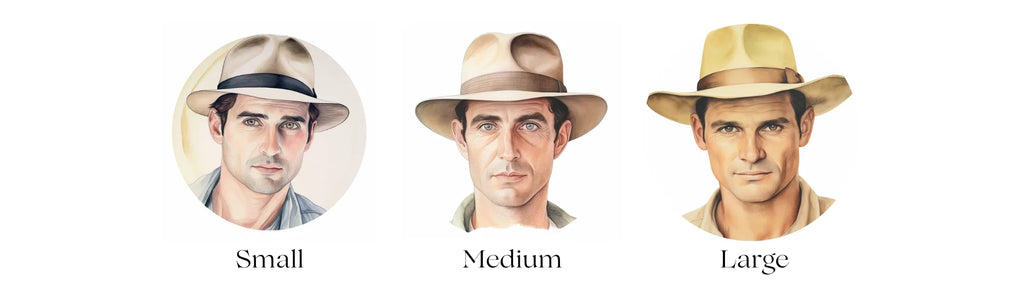
A well-fitting hat should feel snug without being tight. It should stay secure in light wind while remaining comfortable enough for extended wear. A useful guideline is that, when properly fitted, there is roughly a finger’s width of space between the brim and the top of your ear.
The stiffness of the hat body also affects fit. Softer, crushable styles offer more flexibility, while stiffer hats maintain their shape with minimal give. For firmer styles, it is often helpful to try both your usual size and one size larger. If needed, a slightly larger hat can be adjusted with sizing tape for a more precise fit.
Styling
Once you have found the right fit, styling becomes the most enjoyable part of the process.
Fedoras are traditionally associated with formalwear, making them an excellent complement to suits and dressy occasions. A simple grosgrain ribbon band, either matching or contrasting, adds a refined touch.
However, fedoras are equally versatile for everyday wear. A stingy brim style can effortlessly elevate casual outfits like a T-shirt and shorts, adding personality without feeling overdone.
What Is a Fedora?
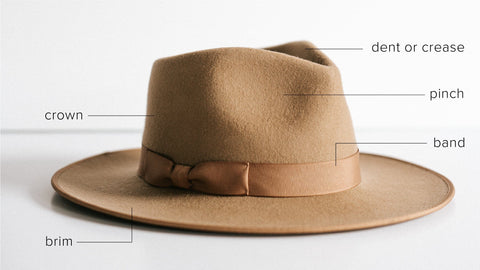
A fedora is typically defined as a soft hat with a creased or pinched crown and a medium to wide brim. Today, the term also includes variations made from materials such as straw or twill, as long as they retain the characteristic silhouette.
Although designs vary, the two most important features of a fedora are the crown and the brim.
The crown is the top portion of the hat and can range in height from tall to short. Most fedoras feature a crease or dent in the crown, which is a defining characteristic of the style.
The brim extends horizontally from the base of the crown and varies in width. Narrow brims suit smaller face shapes, while wider brims provide more sun protection and are ideal for outdoor activities.
Some fedoras come with a fixed band, while others allow for customization with interchangeable bands, offering additional styling flexibility.
Where to Start
A fedora is a classic and versatile addition to any wardrobe, suitable for both beginners and seasoned hat enthusiasts. Whether you are shopping for yourself or searching for a thoughtful gift, it remains a timeless choice.
Start by determining your hat size. Measuring your head accurately is essential to achieving a comfortable fit. Many fedoras include adjustable bands, allowing for minor size adjustments.
Next, choose a style that reflects your personality. From tall to short crowns and wide to narrow brims, the right combination should make you feel confident and comfortable.
Finally, select your preferred material. Fedoras are available in a wide range of fabrics, including leather, felt, wool, cashmere, and straw. These materials are often sourced globally, contributing to the craftsmanship and uniqueness of each hat.
Ethical production is also an important consideration. Responsible brands ensure that their products are made in accordance with fair labor practices, appropriate regulations, and sustainable standards, supporting both quality and integrity in every piece.
Fedora Hat Material Guide
The fedora remains one of the most iconic hat styles in the world. Since its rise in the late 19th century, it has been a staple in men’s fashion and later gained equal popularity among women. For more than a century, the fedora has shaped modern headwear. Yet no two fedoras are exactly the same. While the silhouette is recognizable, the materials and finishes vary widely.
Although traditional fedoras are made from felt, today’s manufacturers use a broad range of materials to recreate and reinterpret the style. Some options are more affordable, while others enhance durability, comfort, and overall quality. This guide breaks down the most common fedora materials, along with their key advantages and limitations.
Straw Fedora Hats
Straw fedoras are ideal for warm weather, making them a popular choice for summer outings and beach trips. Many designs feature wider brims, offering added protection from the sun. At the same time, their breathable weave allows heat to escape, keeping the wearer cool in hot climates.
One of the most recognizable straw styles is the Panama hat. Originally from Central America, it has become a global classic and frequently appears in films and television. Typically, it features tightly woven light-colored straw paired with a contrasting dark ribbon.
Straw fedoras are widely appreciated for their affordability and availability. They are easy to find and generally budget-friendly. However, premium versions do exist. Handwoven straw hats with high stitch counts can be surprisingly expensive, sometimes rivaling the cost of fur or leather options.
Fabric Fedora Hats
Fedoras can be made from a variety of fabrics, though some materials perform better than others. Common budget-friendly choices include mesh, cotton, and nylon, each offering distinct benefits.
Mesh is a popular option due to its durability, low cost, and resistance to tearing. It is also relatively easy to clean. However, its appearance can sometimes feel less refined, as tightly woven mesh may reflect light and resemble plastic.
Cotton and nylon are well-suited for casual styles. They are lightweight, breathable, and comfortable for everyday wear. On the downside, these materials do not hold their shape well over time. If you are looking for a fedora that maintains its structure for years, fabric options may not be the best choice.
Leather Fedora Hats
Leather fedoras are typically more expensive than straw or fabric alternatives, but they offer exceptional longevity. With proper care, a high-quality leather hat can last for decades, making it a strong investment for long-term use.
That said, leather is heavier and less breathable than other materials. This can make it less comfortable in warm weather. Depending on the lining, it may also feel less flexible when worn.
Despite these drawbacks, leather fedoras stand out for their distinctive, rugged aesthetic. Available for both men and women, they provide a bold, timeless look that is difficult to replicate with other materials.
Wool Felt Fedora Hats
Wool felt fedoras offer an accessible entry point into classic hat styling. While they do not match the refinement of fur felt, they still deliver a polished appearance at a more affordable price.
These hats are typically softer and more flexible, which can be beneficial for comfort. However, this softness also means they are less durable and more prone to losing their shape over time. In most cases, wool fedoras are not designed to last for many years.
Maintenance is another consideration. Wool resists dirt to some extent, but it is not stain-proof. Cleaning requires gentle care, as these hats cannot be machine washed and must be treated with minimal moisture.
Hare Fedora Hats
Hare fur fedoras represent a step up from wool felt in both quality and performance. The fur produces a dense, water-resistant felt that holds its shape well. These hats are typically warm, comfortable, and well-suited for colder climates.
Many buyers, however, are unsure how hare compares to rabbit fur. While the two materials appear similar, there are subtle differences. Hare fur is less common, which often makes these hats more expensive.
At the same time, rabbit fur is easier to process into dense felt, allowing it to maintain structure more effectively over time. As a result, hare fedoras may not always offer the best value, despite their improved quality over wool and fabric options.
Fur Felt Fedora Hats
Fur felt is widely regarded as the premium standard for fedora materials. Made from beaver or rabbit fur, it is compressed into a dense, smooth felt that offers exceptional performance.
Although more expensive, fur felt provides outstanding durability. It resists water, maintains its shape, and retains a refined finish even with regular use. Unlike lower-quality materials, it does not easily sag or lose structure around the crown or brim.
In addition to its strength, fur felt offers a subtle sheen and a soft yet resilient texture. It is also relatively easy to maintain compared to leather. With proper care, a fur felt fedora can last a lifetime.
Ultimately, fur felt delivers the best balance of comfort, durability, and style. It remains the top choice for those seeking a long-lasting, high-quality fedora that performs well in a variety of conditions.