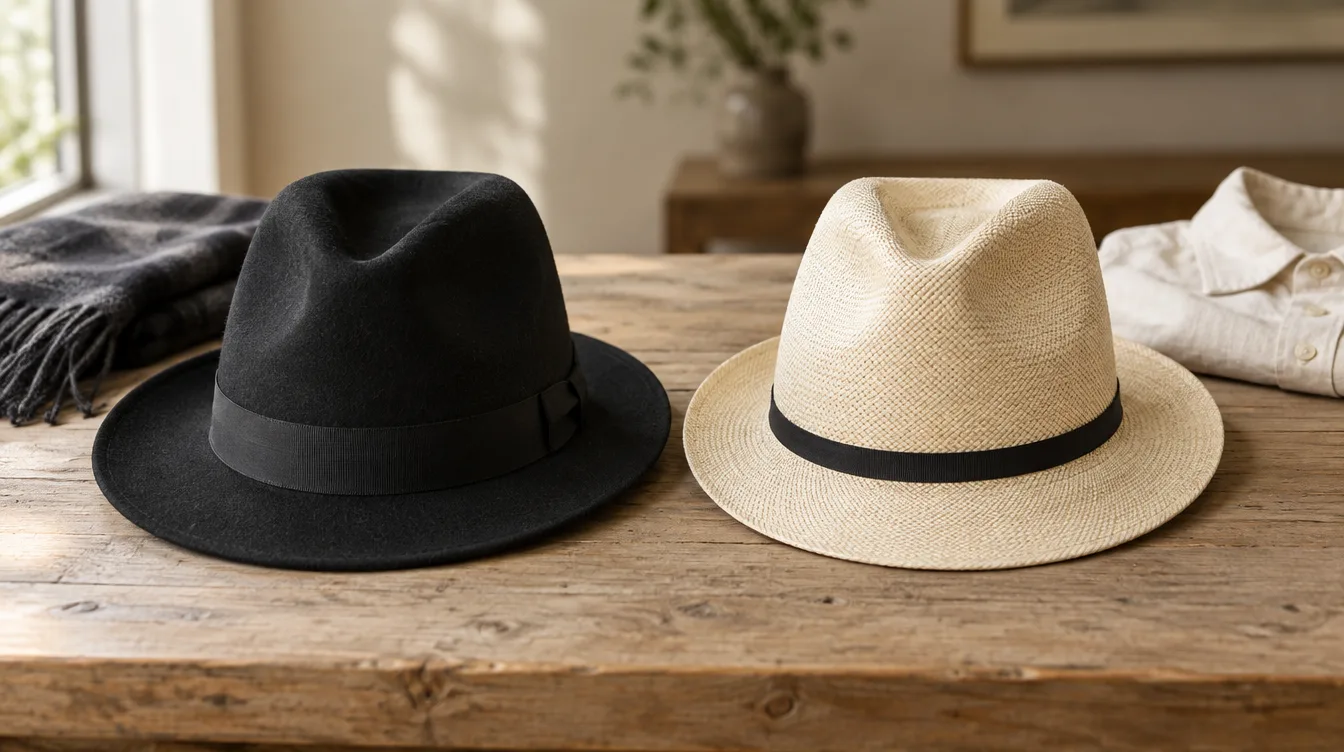
Short answer: choose a felt fedora if you want one hat for autumn, winter and cool spring days, a sharper shape, and something that copes with wind and light drizzle. Choose a straw fedora if you mostly wear a hat in warm, sunny weather and comfort in the heat matters more than structure.
If you want just one hat and you live somewhere with real seasons, felt is usually the more versatile first purchase. If you live somewhere hot most of the year, straw is the more practical one.
Both materials make a proper fedora: a pinched crown, a creased top and a brim you can snap down or wear flat. What changes is how the hat feels on your head, which months it works in, how it handles rain and sweat, and what kind of outfit it looks natural with. This guide walks through each of those so you can choose based on how you will actually wear the hat, not just on how it looks in a product photo.
Felt vs Straw at a Glance
| Factor | Felt fedora | Straw fedora |
|---|---|---|
| Best seasons | Autumn, winter, cool spring evenings | Late spring and summer |
| Feel in warm weather | Warm; can get uncomfortable in strong heat | Lighter and more breathable thanks to the woven structure |
| Shape and structure | Holds a crisp crease and pinch; can be reshaped with gentle steam | Shape is set by the weave; harder to reshape and cannot be stretched much |
| Rain | Handles light rain better, especially fur felt | Best kept dry; water can soften or warp the weave |
| Packing and travel | Should not be crushed; travels best in a hat box or worn | Should not be crushed either; fine weaves can crack if folded or pinched hard |
| Look | Tailored, urban, cold-weather layering | Relaxed, warm-weather, linen and cotton |
| Black versions | Very common; black felt is the classic | Available, but dark straw absorbs more sunlight than pale straw |
What Is a Felt Fedora?
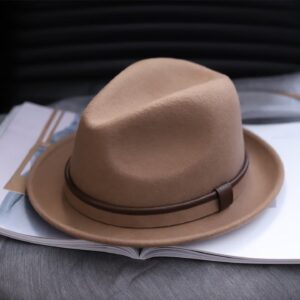
Felt is made by matting fibers together with heat, moisture and pressure until they form a dense, smooth material. Hatters then shape that felt over a block to create the crown and brim. Because it is a solid sheet rather than a weave, felt can be formed into a clean, firm shape and reshaped later with gentle steam.
There are two main kinds you will see:
- Wool felt is the most common and the most accessible on price. It gives a good, structured shape and is a sensible choice for everyday wear. Quality varies with the wool used; finer wools tend to feel softer and look smoother.
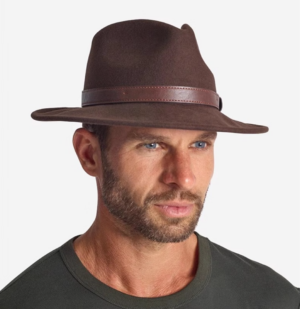
- Fur felt is usually made from rabbit or beaver fur. It is generally denser, softer to the touch, lighter for its stiffness and better at shedding light rain than wool felt, and it costs more.
Felt is the material most people picture when they think of a classic black fedora. If that is the look you are after, the material section in our guide to choosing a black fedora goes into more detail on wool versus fur felt.
What Is a Straw Fedora?
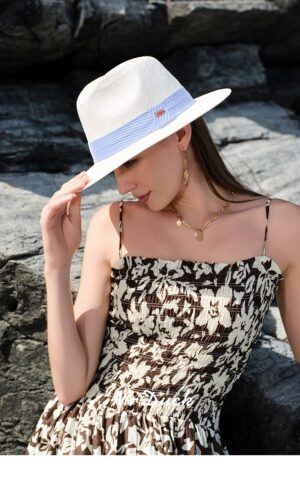
A straw fedora is woven or braided from plant fibers or paper-based yarn, then blocked into the fedora shape. The open structure lets air pass through, which is the main reason straw feels so much more comfortable in warm weather.
Common straw types include:
- Toquilla straw, the fiber used in genuine Panama hats, which are traditionally handwoven in Ecuador. Finer, tighter weaves take longer to make and usually cost more.
- Raffia, made from palm leaf fibers, often with a more textured, casual look.
- Paper straws such as toyo and shantung, which are made from treated paper yarn. They are usually more affordable and come in many colors, including black.
Straw is not one single quality level. A loosely woven paper straw and a finely woven toquilla Panama are both “straw fedoras,” but they feel, wear and age very differently. When you compare prices, compare the type of straw and the fineness of the weave, not just the word “straw.”
Comfort and Climate: The Deciding Factor for Most People
If you only think about one thing, think about the temperature you will usually be wearing the hat in.
When felt makes more sense
Felt traps warmth close to your head. That is a benefit on a cold, windy day and a drawback on a hot afternoon. A felt fedora is the natural partner for coats, knitwear, scarves and heavier tailoring. In cool, damp or windy climates it can be worn for most of the year.
When straw makes more sense
Straw breathes, weighs less and feels cooler under strong sun. It suits beach trips, outdoor events, summer travel and city walks in heat. A straw fedora with a reasonable brim also gives your face some shade, although a hat is not a substitute for sunscreen.
The in-between months
Spring and early autumn are where people get stuck. A few practical approaches:
- A lighter-weight felt, worn with a jacket, works on cool mornings and evenings.
- A tightly woven straw in a darker shade looks less like a beach hat and pairs better with transitional layers.
- Check the forecast rather than the calendar. The old convention of switching to straw in late spring and back to felt after summer is a style tradition, not a rule you have to follow.
Weather, Sweat and Durability
Rain
Felt handles a light shower better than straw, and fur felt handles it best. Even so, a soaked felt hat should be dried slowly at room temperature, crown up or on a hat form, and away from direct heat. Straw is better kept dry. Water can soften the fibers and change the shape, and some straws can dry stiff or uneven.
Sweat
Both materials rely on the inner sweatband to protect the body of the hat. Straw is worn in hotter weather, so its sweatband works harder. Let any hat air out after a warm day instead of putting it straight back into a closed box.
Handling
Felt is more forgiving if it gets knocked or misshapen, because it can usually be steamed back into shape. Straw, especially finely woven straw, can crack if it is folded, crushed or repeatedly pinched at the front of the crown. Pick up any fedora by the brim with both hands rather than by the pinch, and this matters even more with straw.
Fit Differences You Should Know Before Buying
Felt has a little give and can sometimes be eased slightly larger by a hatter. Straw has very little stretch. If a straw fedora feels tight in the shop, it will almost certainly still feel tight in a month.
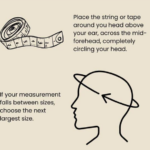
That makes accurate sizing more important for straw. Measure your head where the hat will sit, about a finger’s width above your eyebrows and ears, and compare that to the size chart. Our fedora hat size guide explains how to measure and what to do if you fall between sizes. A hat that is slightly loose can be corrected with sizing tape inside the sweatband; a hat that is too tight is hard to fix.
Style: How Each Material Changes the Look
Felt fedora works best with
- Overcoats, trench coats and peacoats
- Knitwear, flannel and tweed
- Dark denim with boots
- Suits and evening wear
- A city wardrobe in neutral colors
Straw fedora works best with
- Linen shirts and linen trousers
- Cotton chinos and shorts
- Light summer dresses
- Unlined summer blazers
- Holiday, resort and garden-party outfits
Mixing them up is where outfits start to look off. A straw fedora with a heavy wool coat looks out of season, and a felt fedora with shorts and sandals tends to look heavy. Match the weight of the hat to the weight of the clothes and most combinations take care of themselves.
What about a black straw fedora?
Black straw fedoras exist and can look sharp, especially with dark linen or an all-black summer outfit. The trade-off is heat: dark colors absorb more sunlight than pale ones, so a black straw hat will feel warmer in strong sun than a natural or white straw. If heat comfort is your main reason for choosing straw, a lighter color is the more practical choice. If you want the black fedora look in summer, a black straw is still cooler than black felt.
Care and Storage Compared
Caring for felt
- Brush regularly with a soft hat brush, following the direction of the nap.
- Use gentle steam to refresh a crease or lift a dent.
- Dry slowly at room temperature if it gets wet.
- Store crown down or on a hat stand so the brim keeps its shape.
Caring for straw
- Wipe gently with a dry or barely damp cloth; avoid soaking.
- Keep it out of very dry, hot places for long periods, such as a car dashboard.
- Do not fold, sit on or crush it in a bag.
- Store in a hat box or on a shelf with room around the brim.
Neither material likes being left on a radiator, in a hot car or under heavy objects. Both last longer when they are handled by the brim and stored with space around them.
Which Should You Choose? A Quick Decision Guide
- You want one fedora for most of the year in a temperate climate: felt. Wool felt is the sensible starting point; fur felt if you want a softer finish and better rain resistance.
- You live somewhere hot, or the hat is mainly for summer and travel: straw. A handwoven Panama straw fedora is an easy, lightweight option for warm weather.
- You want the classic black fedora look for coats and city wear: felt. A superfine wool felt fedora gives that structured silhouette.
- You often get caught in drizzle: felt, ideally fur felt.
- You pack your hat in luggage a lot: neither material likes being crushed. Plan to wear it on travel days or carry it separately.
- You can own two: one felt and one straw is the simplest way to cover the whole year without compromise.
Common Questions
Can you wear a felt fedora in summer?
You can on cooler summer days, evenings or in air-conditioned settings, but on a hot, sunny day most people find felt too warm. If you wear a hat a lot in summer, straw is the more comfortable choice.
Can you wear a straw fedora in winter?
It is possible in a warm climate, but straw offers little warmth, and in cold, wet weather it looks and feels out of place. Felt is the better winter option.
Which lasts longer, felt or straw?
It depends more on quality and care than on the material alone. A good felt fedora that is brushed, dried properly and stored well can last for many years. A finely woven straw can also last a long time if it is kept dry and never crushed. Inexpensive versions of either material will wear out sooner.
Is a Panama hat the same as a straw fedora?
A genuine Panama hat is a hat woven from toquilla straw, and many Panamas are made in a fedora shape. So a Panama can be a straw fedora, but not every straw fedora is a Panama; many are made from paper straw, raffia or other fibers.
Whichever material you choose, the fit matters as much as the fiber. A well-fitting hat in the right material for your climate will be the one you actually reach for.